
CBT – Cognitive Behavioural Therapy in Sydney
Aiming to help your child identify and understand their thoughts, emotions, and behaviours.
What is Cognitive Behavioural Therapy?
Cognitive behavioural therapy (CBT) is a psychological treatment that takes a structured approach..
This evidence-based therapy aims to assist children to identify how their thoughts, feelings and actions influence each other for the better but also identify those patterns that can be unhelpful to us. CBT is aimed at teaching them how to circumvent negative patterns and implement more helpful and adaptive thinking and acting, providing the resources to navigate situations that support their mental health and quality of life.
What is Cognitive Behavioural Therapy For?
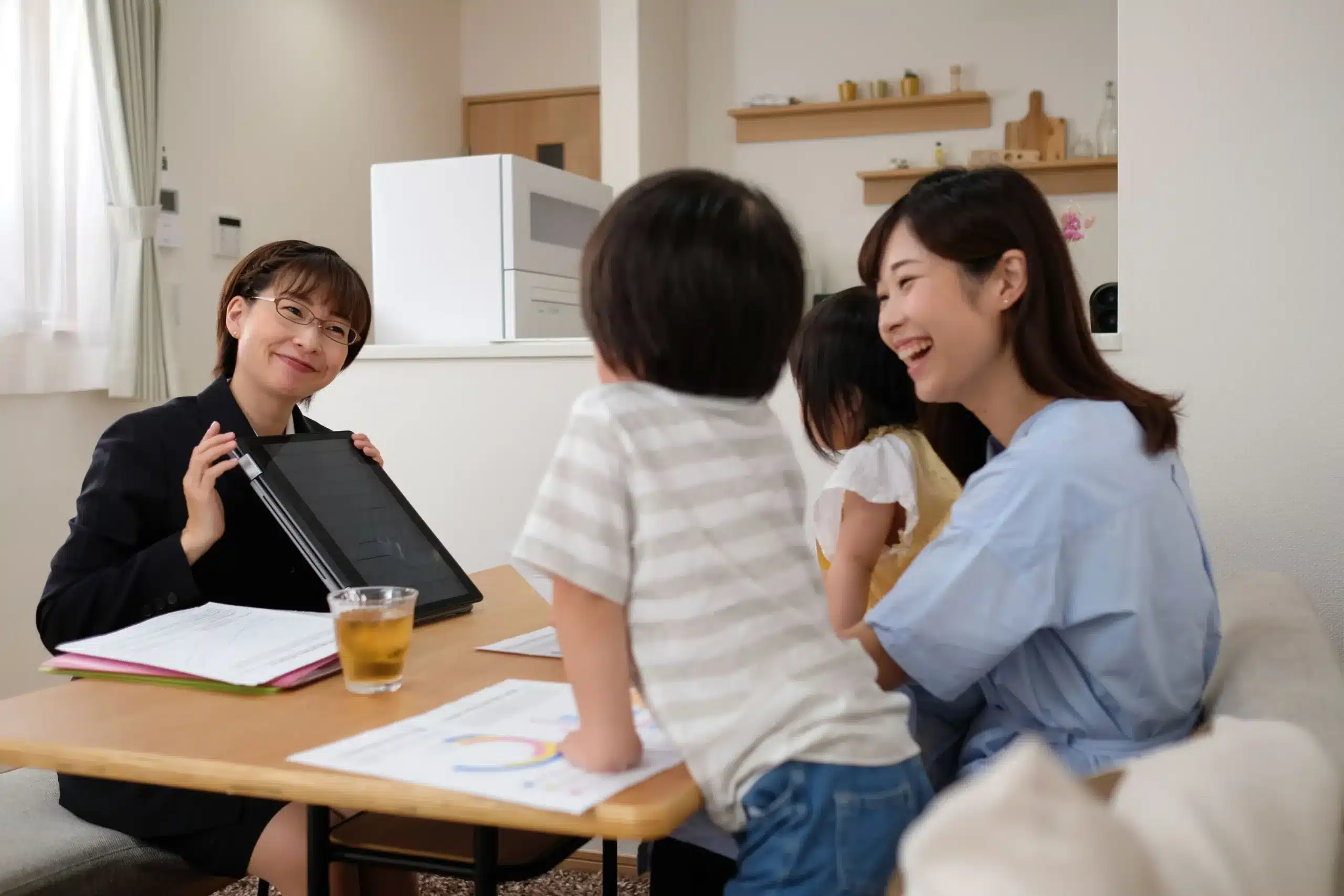
Cognitive behavioural therapy is used to assist people who are experiencing difficulties with their mental health, such as anxiety, perfectionism, procrastination, stress, obsessive compulsive issues, anger and mood difficulties or depression.
How Cognitive Behavioural Therapy May Help Children and Young People
Cognitive behavioural therapy aims to give your child or adolescent the tools to improve their mental health and overall wellbeing. This is done by working towards helping your child explore the connection between their thoughts, feelings, physiological responses and behaviours.
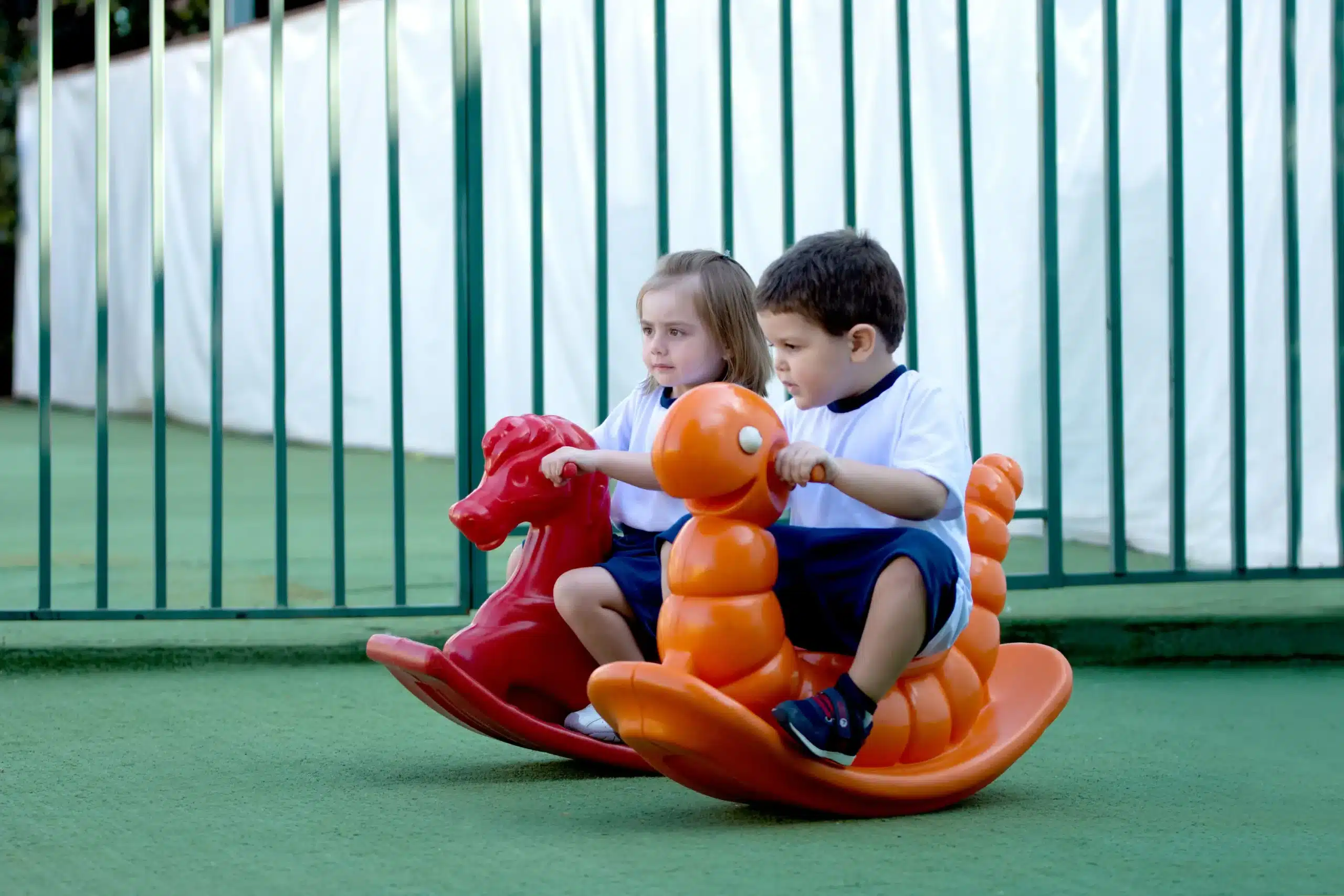
We help your child to navigate the world in a way that supports their happiness and wellbeing.
Cognitive Behavioural Therapy: How It Works
Your child’s psychologist will work with them to cover a range of areas after a thorough assessment that identifies their requirements, strengths, preferences, and goals. You may also be involved to learn how best to support your child. This may involve an initial period of weekly individual sessions, followed by a tapering of frequency until they enter the maintenance phase where the focus is on preventing falling back into the difficulties previously experienced.
CBT for your child may include targets such as assisting your child to:
- Be aware of their physiological symptoms, thoughts, feelings, and behaviours and identify how these interact with one another.
- Learn how difficult emotions evolve and why it sometimes may be hard to improve them without support
- Acknowledge unhelpful thoughts, feelings and behaviours, and adopt more helpful responses which may include challenging unhelpful thinking, behavioural experiments and creating action plans.
- Acquire techniques that may support how they move through the world, such as mindfulness and problem-solving strategies
- Develop their confidence and strengths in naturalistic settings
Answering Your Questions About CBT
Should my child be a certain age to participate in cognitive behavioural therapy?
Cognitive behavioural therapy is typically suitable to be delivered one on one for children aged seven or older. This does not mean younger children cannot benefit from cognitive behavioural treatment, however this typically involves working primarily with the parent.
Is CBT the same as masking?
No, these are two separate things. CBT is a form of psychological treatment, while masking is where a person ‘masks’ their true feelings and behaviours in order to ‘fit in’ with others. They may do this consciously (knowing they’re doing it) or unconsciously.
We believe that encouraging a child to behave more ‘typically’ may be exhausting, upsetting, and unfair. CBT may support social skills and behavioural responses, but it does not focus on making a child behave in a certain way that is not natural for them. Instead, it is about supporting them in understanding what they feel and responding to those emotions in ways that aim to help them navigate the world around them positively.
Can I be involved in my child’s treatment?
Your child’s psychologist will discuss with you if they recommend you be involved and how much. If your child is quite young, you are likely to be more involved in their therapy, whereas if your child is in their teens, we may work with them more independently.
How can I help my child outside of the clinic?
Your child’s psychologist may suggest you attend your child’s sessions or a separate appointment so that you can learn ways to support your child’s therapy in their everyday life and routine.
Why Visit The Young Mind Clinic?
At the Young Mind Clinic, we are passionate about providing high quality care to children and teenagers who are experiencing difficulties that are impacting their lives. We are dedicated to supporting you and your child towards a better life with our:

Experienced Child Psychologists
Therapy for children is often different to therapy for adults. Our team is highly qualified and works solely in the paediatric space. We strive to provide a safe and nurturing environment that fosters each child’s growth and development.

Client-Centred Care
All treatment we provide incorporates your child’s and your family’s needs, goals, and preferences. We collaborate with you as a team to work towards the best outcomes possible.

Evidence-Based Treatment
The approaches we take towards care are supported by research and clinical experience.
The Young Mind Clinic
Our Team is Here to Support You and Your Child
We understand that it may feel overwhelming trying to help your child when they are experiencing struggles in their daily life. We are dedicated to assisting your family through this time so that your child may reach their goals.
Please contact our team with any questions you have or to organise your child’s first consultation at our Lane Cove clinic. We look forward to meeting you and your child and supporting you both.